
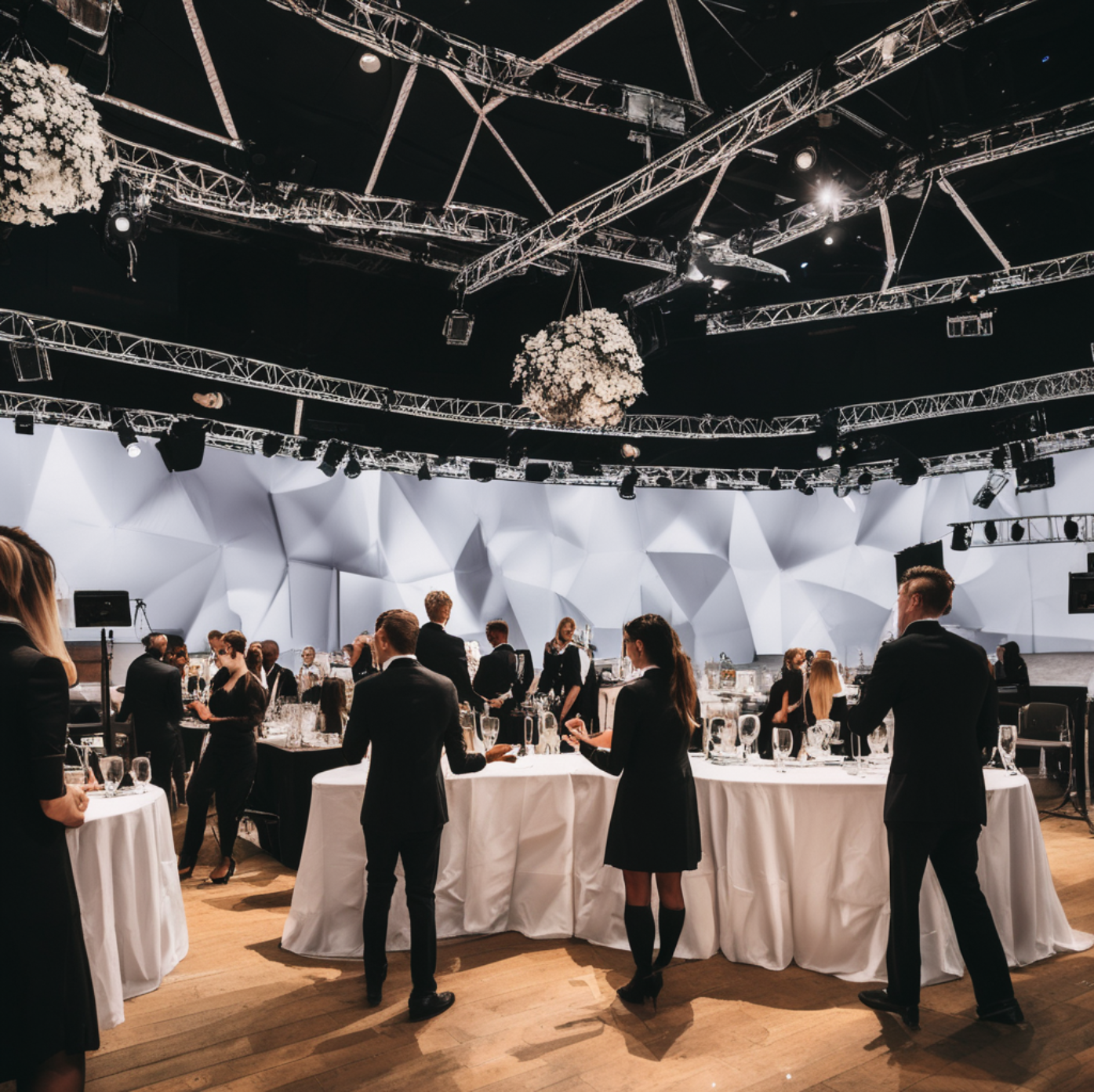
Most people notice the stage. They notice the lighting, the speakers, and maybe the food. What they usually don't notice is the person quietly making sure everything runs on time and fixing problems before anyone else sees them.
That's exactly why professional event staffing services in Glasgow play such a big role in high-profile events.
According to the UK Events Report, the events industry contributes billions to the UK economy every year. That's a lot of pressure riding on conferences, exhibitions, product launches, and corporate events. When hundreds of guests, VIPs, sponsors, or media representatives are involved, there isn't much room for mistakes.
And in my experience, the difference between a good event and a stressful one often comes down to leadership. Not the person on stage. The person behind the scenes keeping everything together.
What Is a Professional Event Leader?
A professional event leader is the person responsible for making sure the event team knows what they're doing, where they need to be, and how to handle problems when things don't go according to plan.
Because let's be honest—something almost always goes wrong at an event.
A supplier arrives late. Registration takes longer than expected. A speaker changes their schedule. Guests need directions. Equipment stops working.
The question isn't whether problems happen. It's who deals with them.
That's where experienced event leaders earn their value.
Why High-Profile Events Need Strong Leadership
A local gathering can survive a few mistakes.
A major corporate event usually can't.
When important clients, investors, media representatives, or industry leaders attend an event, every detail matters. People notice long queues. They notice confused staff. They notice when nobody seems to know what's happening.
What usually works is having one experienced person coordinating everything from start to finish.
What often fails is assuming a group of temporary staff can simply "figure things out" on the day.
They rarely can.
Without leadership, even talented event staff can become disorganised because nobody is directing the flow of information.
Are Event Leaders Really That Important?
Short answer: yes.
Think of an event like an orchestra.
You can have excellent musicians, but without a conductor, the performance quickly becomes messy.
The same thing happens at events.
You may have great hosts, registration staff, brand ambassadors, and hospitality teams. But somebody still needs to manage schedules, answer questions, make decisions, and solve unexpected issues.
Professional event leaders keep everyone moving in the same direction.
Guests rarely notice them when everything goes well.
But they definitely notice when they're missing.
How Do Professional Event Leaders Improve Guest Experience?
Guest experience is one of those things that's easy to talk about but harder to deliver.
People remember how they felt at an event.
They remember whether they were welcomed properly.
They remember whether they had to stand in a queue for twenty minutes.
They remember whether staff seemed helpful or confused.
One thing I've noticed over the years is that guests are surprisingly forgiving when small issues happen. What frustrates them is when nobody knows how to fix those issues.
Good event leaders make sure staff can provide answers quickly and confidently.
That creates a smoother experience for everyone involved.
Why Do Events Fail Even When Planning Seems Good?
This is probably one of the biggest misconceptions in the industry.
Many event organisers think planning is enough.
It's not.
Planning is important. Execution is everything.
You can have a beautiful event plan sitting in a folder somewhere. If nobody manages the team properly on the day, that plan means very little.
One common mistake is spending months focusing on venues, marketing, and logistics while giving very little attention to staffing leadership. In fact, finding the right event staff in Glasgow is often left until the last minute, even though the people representing your brand can have a huge impact on the overall guest experience.
Then event day arrives, communication breaks down, and small issues quickly become bigger problems.
I've seen this happen more times than people would expect.
What Problems Do Event Leaders Solve?
Professional event leaders deal with issues before they become major problems.
Some common examples include:
Registration bottlenecks
Staffing shortages
Schedule delays
Guest complaints
Vendor communication issues
Last-minute changes
VIP management
Crowd flow concerns
Most guests never even realise these situations happened because experienced leaders resolve them quietly.
That's actually a sign they're doing their job well.
Why Is Communication So Important During Events?
Communication is often the first thing to break when an event becomes busy.
Staff members get pulled in different directions.
Vendors need updates.
Guests ask questions.
Managers need information.
Without a clear communication structure, confusion spreads quickly.
Professional event leaders act as the central point of contact. They keep everyone informed and ensure the right information reaches the right people at the right time.
It sounds simple.
It rarely is.
What Usually Works at Successful Events?
After looking at countless successful events, a few patterns appear again and again.
Successful events usually have:
Clear leadership
Well-briefed staff
Fast communication
Defined responsibilities
Backup plans
Experienced supervisors
These things aren't particularly exciting.
But they work.
In fact, I'd argue they're often more important than expensive decorations or flashy technology.
Guests remember experiences more than visual details.
What Often Fails at High-Profile Events?
Some mistakes appear surprisingly often.
These include:
Hiring staff at the last minute
Poor team briefings
No clear chain of command
Underestimating guest numbers
Lack of contingency planning
Assuming everything will go exactly as planned
Personally, I think the biggest mistake is treating staffing as an afterthought.
Many organisations invest heavily in venues and marketing while overlooking the people actually interacting with guests.
That's backwards.
Your staff are your brand on event day.
How Can Event Organisers Choose the Right Event Leadership Team?
Start by looking beyond experience alone.
Good event leaders should also demonstrate:
Strong communication skills
Problem-solving ability
Confidence under pressure
Attention to detail
Team management experience
Professionalism
Ask practical questions.
How do they handle unexpected issues?
How do they manage large teams?
How do they communicate during busy periods?
Their answers often reveal more than a CV ever will.
Final Thoughts
When people talk about successful events, they often focus on what attendees can see.
But the real work usually happens behind the scenes.
Professional event leaders keep teams organised, solve problems quickly, and make sure guests have a positive experience from start to finish.
In my view, they're one of the most underrated parts of the entire events industry.
A great venue can impress people.
A great speaker can inspire people.
But strong leadership is what keeps everything running smoothly when real-world challenges appear.
For organisations planning conferences, exhibitions, product launches, and corporate events, working with experienced professionals like Event Hosts can make a significant difference. The right leadership team doesn't just support an event—they help create an experience guests remember for all the right reasons.




Write a comment ...